
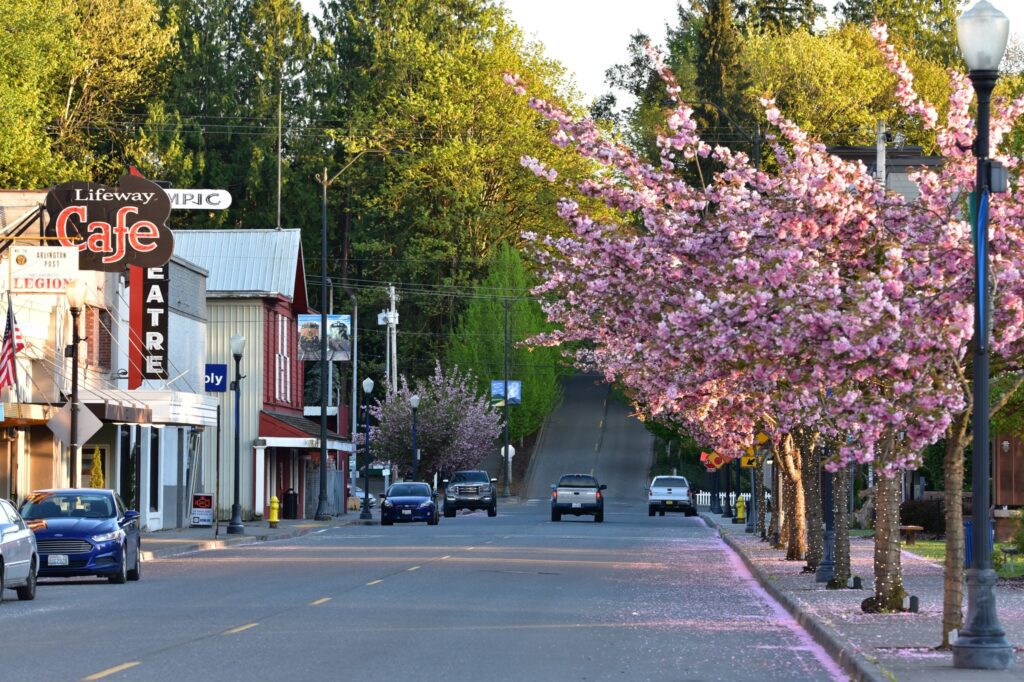
Managing a rental property in Arlington, Washington comes with incredible opportunities—and its share of challenges. With strong demand, small-town charm, and proximity to larger job markets, Arlington continues to draw renters who want quality homes in a community-oriented environment. But maximizing your investment here requires a solid understanding of the local market, regulations, and best practices.
Whether you’re a first-time landlord or you’ve been managing rentals for years, here’s a clear, approachable guide to help you make confident decisions and protect your investment. Arlington has seen steady growth over the past decade, driven by its blend of affordability, access to employment hubs, and outdoor-centered lifestyle. For rental owners, that means:
1. Stable Tenant Demand
Renters are attracted to Arlington because it offers:
A friendly community feel
Easier commutes to Everett, Marysville, and Boeing facilities
Lower housing costs than Seattle or Bellevue
2. Increasing Property Values
Snohomish County—Arlington included—continues to appreciate due to limited housing supply and ongoing population growth.
3. Strong Appeal to Long-Term Tenants
Many tenants stay for years due to local schools, parks, and community amenities, reducing turnover and vacancy costs.
Understanding Local Regulations
Arlington, WA is within Snohomish County, meaning landlords must comply with:
Washington State Landlord-Tenant Law (RCW 59.18)
Fair Housing guidelines
Local inspection and licensing requirements for certain property types
Deposit and notice rules, which are more detailed than many owners expect
A professional property manager helps you stay compliant and avoid costly mistakes—especially as laws continue to evolve in Washington.
Common Challenges Arlington Owners Face (and How to Solve Them)
1. Setting the Right Rent
Arlington’s rental rates vary by neighborhood, property size, and condition. Pricing too high leads to long vacancies; pricing too low leaves money on the table.
A management company uses real-time market data and local neighborhood trends to set a competitive rate.
2. Finding Quality Tenants
Background checks, rental history, income verification, and screening—when done correctly—reduce risk and protect your property.
Professional screening ensures:
Compliance with fair housing laws
Consistency
More reliable tenant placement
3. Maintenance Coordination
Arlington homes often deal with:
Moisture issues
Roof wear
Seasonal maintenance
Septic considerations in certain areas
A property manager has vetted vendors, 24/7 emergency response, and preventative maintenance schedules.
4. Managing Rent Collection & Enforcement
Consistent collection, proper notices, and legal compliance are crucial—especially when late payments occur. A professional manager handles this objectively and reliably.
For a private consultation email Property Management PNW Attention Rental Owner at info@pnwrealtyservices.com